
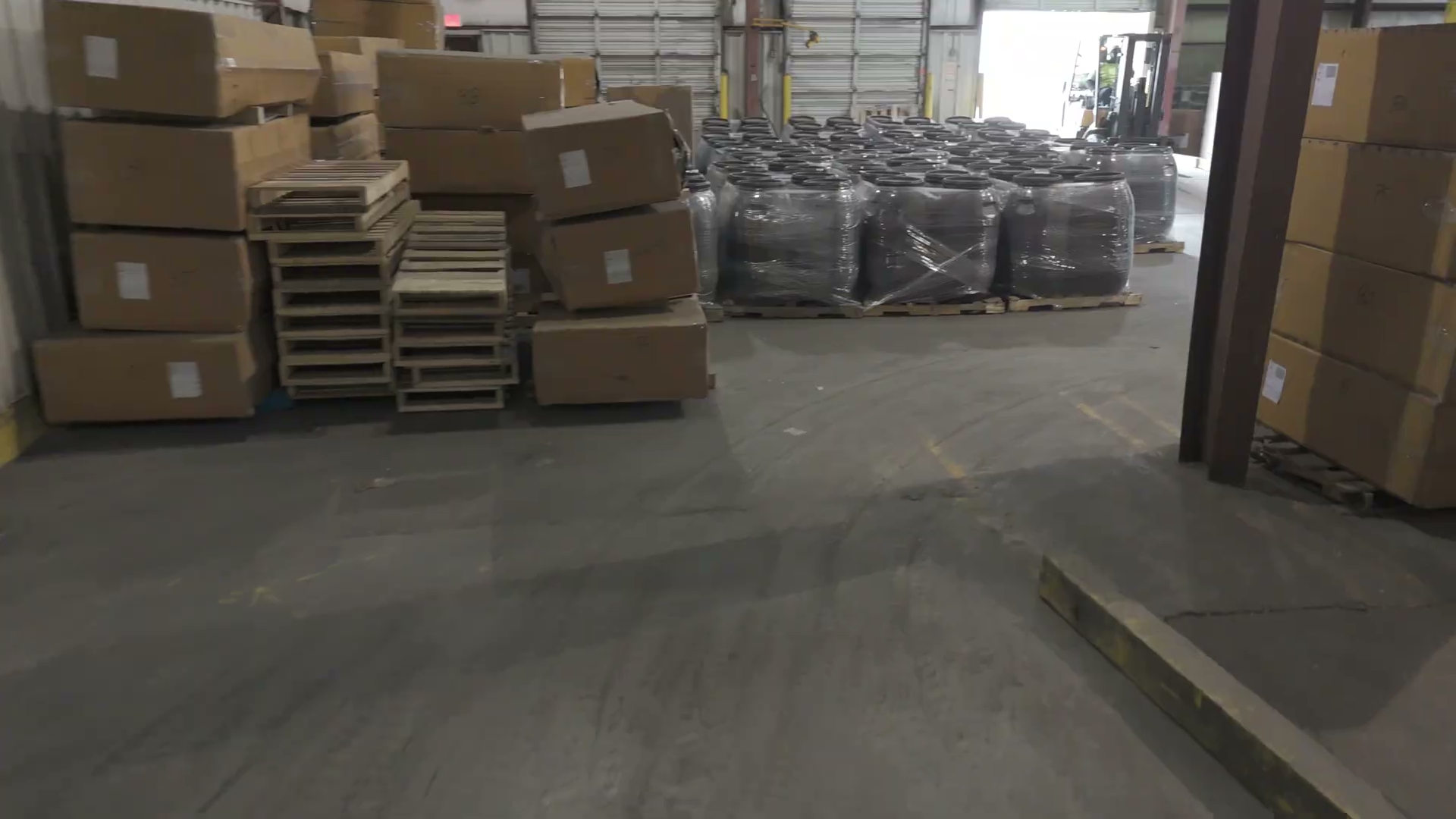
Container Unloading and Devanning Services in Norfolk, VA
Container unloading and devanning from 170K square feet of gated, secure warehouse space near the Port of Virginia terminals. Carroll brings the container in, unloads it, stages the freight and gets the empty back to the terminal.
From ocean box to usable inventory.
A 40-foot container of floor-loaded cartons can tie up a receiving dock for hours, and every hour it sits loaded is time against your detention clock. Container unloading is where import freight either flows into inventory or backs up at the door.
Carroll Trucking provides container unloading and devanning from 170K square feet of gated, secure warehouse space in Norfolk, near the Port of Virginia terminals. Our own drivers and chassis bring the container in, our warehouse team unloads it, and the empty goes back to the terminal. Here is what the process involves, what affects cost and time, and how to decide whether you need unloading, transloading or both.
What Container Unloading Includes
Devanning is the industry term for removing cargo from a sealed container. You will also hear it called stripping, destuffing or unstuffing. Full container load imports are typically devanned at the destination warehouse, which is where Carroll comes in.
A complete container unloading service covers five steps:
- 01Receiving and seal check. The container number and seal are checked against your shipping documents before the doors open.
- 02Unloading. Palletized and crated freight comes off by forklift. Floor-loaded cartons are unloaded by hand. Baled commodities and heavy pieces are handled with equipment matched to the load.
- 03Count and condition. Freight is tallied against the packing list, and shortages, overages or damage are recorded before anything moves on.
- 04Next move. Freight goes into storage, onto an outbound trailer or out for delivery.
- 05Empty return. The empty container goes back to the terminal or designated depot to stop per diem.
Floor-Loaded vs. Palletized Containers
How your container was loaded overseas drives most of the unloading cost. Floor-loaded containers maximize cube and lower ocean freight per unit, but every carton has to be handled individually at destination. Palletized containers carry less product but unload far faster.
Imports also arrive on pallets built to overseas standards. A European pallet, 1200 x 800 mm, does not match the 48 x 40 inch pallet most U.S. racking and receiving docks expect, so freight headed into domestic distribution often needs to be re-palletized. Telling your provider the load type, carton count and pallet type at booking is the single best way to get an accurate quote and a realistic dock time.
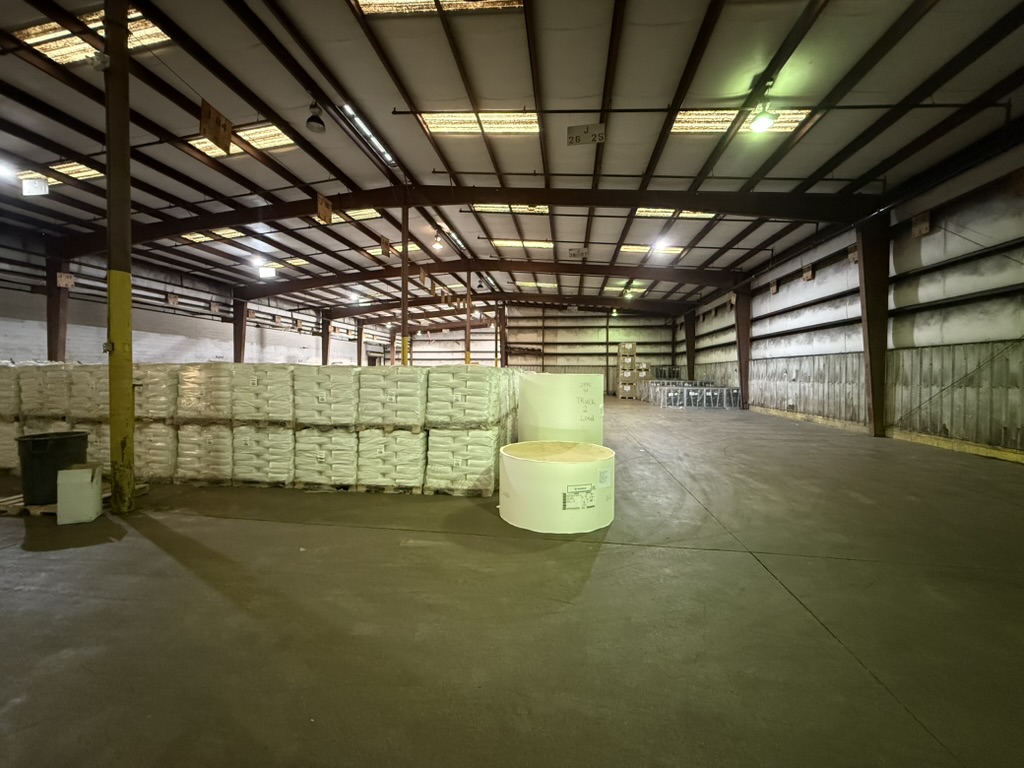
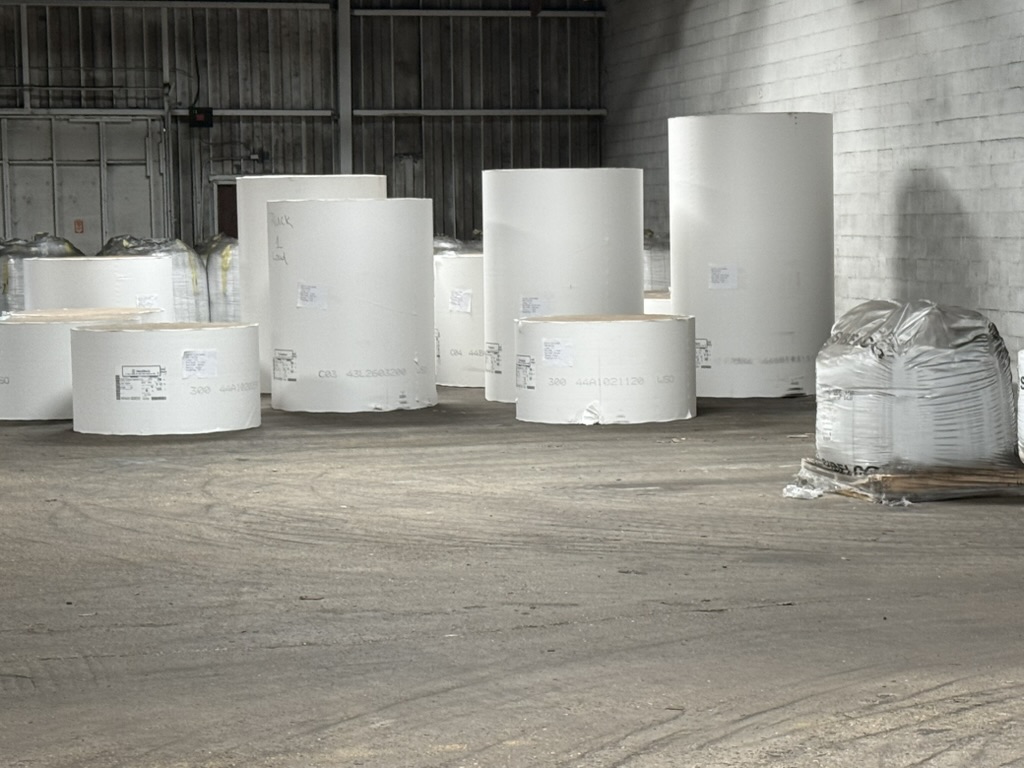
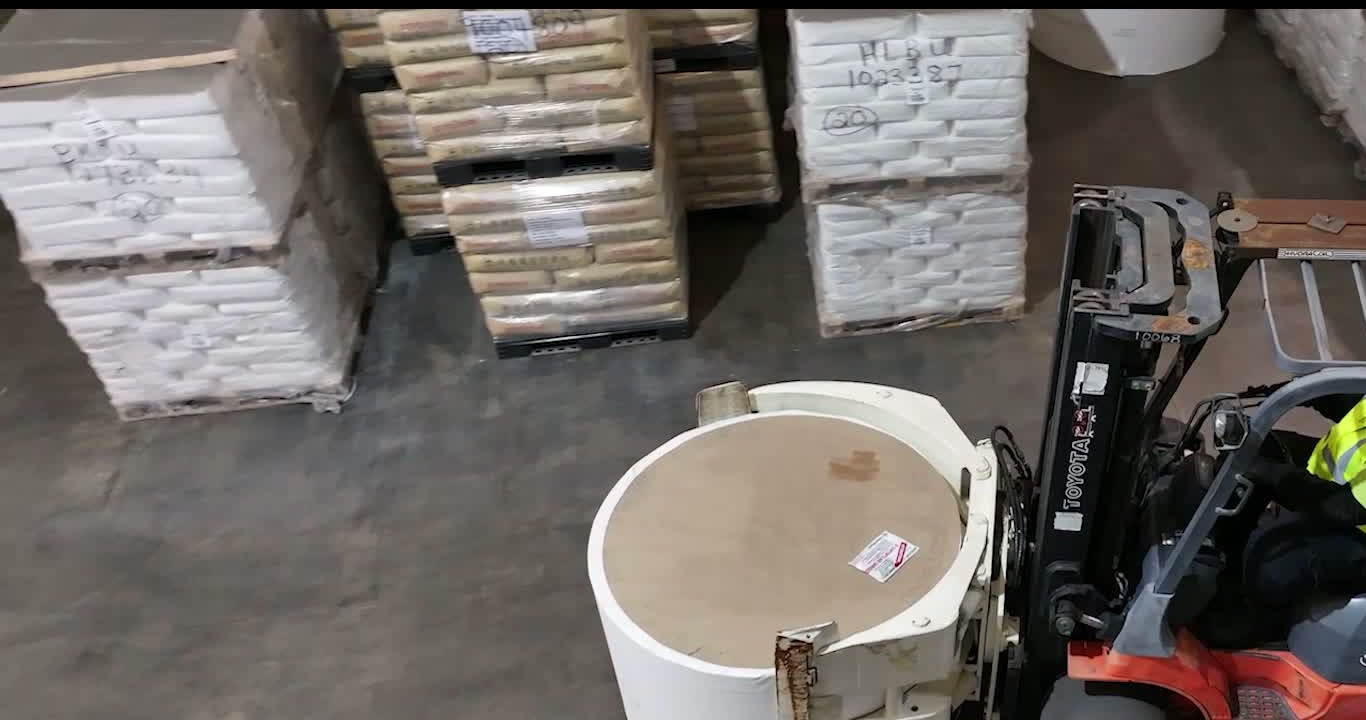
Secure dock space for cartons, pallets, paper rolls and heavy freight.
Why Unloading Near the Port Saves Money
Unloading close to the terminal shortens every leg that carries a fee. Here is where the savings come from:
- Shorter drays, faster empty returns. A container that travels a few miles to our facility and comes back empty the same week spends far less time accruing per diem than one hauled inland to a consignee with a full receiving calendar. Our container drayage page covers how we manage those clocks.
- One provider for the whole handoff. Drayage, chassis, unloading and storage under one asset-based company means fewer invoices, fewer handoffs and one team accountable for the timeline.
- No dock at destination? No problem. Many consignees lack dock doors, forklifts or labor for a floor-loaded 40-footer. We unload here and deliver freight in a form their site can accept.
- Trucking only after freight is ready. Once cargo is counted and staged, outbound loads can be built efficiently instead of paying to move a container that is only partly needed now.
Container Unloading, Transloading or Storage: Which Do You Need?
These services overlap, and many shipments use more than one. The difference is what happens to the freight after it leaves the box:
Unload to storage
Freight goes into Norfolk warehousing for short-term or long-term storage, tracked in our warehouse management system until you release orders.
Transloading
Freight moves straight from the ocean container into a 53-foot domestic trailer for final delivery. Freight from three 40-foot containers often fits in roughly two 53-foot trailers, which is why Norfolk transloading can cut inland costs. See how to save money with transloading.
Unload and deliver
Freight is devanned, sorted and delivered by full truckload or LTL to one or more destinations.
If you are not sure which fits, tell us where the freight is going and when it needs to arrive. We will recommend the route with the fewest touches and the lowest total landed cost.
What Carroll Handles in Norfolk
Carroll has been an asset-based, family-owned carrier in Norfolk since 1977. Our facility and team are set up for the freight that comes through the Port of Virginia.
- Floor-loaded cartons, palletized and crated freight, and baled commodities, including agricultural products through our commodity warehousing operation.
- Heavy lift capability for machinery and dense cargo, with heavy-lift and specialized freight trucking when it leaves our dock.
- Hazmat certified operations for regulated freight.
- 170K square feet of gated, secure warehouse space with a trusted WMS for inventory visibility.
- Company drivers with TWIC credentials and company-owned chassis for the moves in and out of the terminal.
- More than 30 years as an approved government carrier for the Department of Defense.
Connected to Ports and Lanes Beyond Norfolk
Our unloading facility serves Port of Virginia freight, but our network does not stop at Hampton Roads. Carroll’s primary drayage ports also include Charleston, Savannah and Houston, and we provide logistics planning for ports where we are not physically located. After unloading, freight can move anywhere in the continental United States by truckload, LTL or intermodal rail. Visit the ports we serve for details on each gateway.
How to Get an Accurate Container Unloading Quote
Unloading pricing is driven by labor time and handling. Include these details with your request:
- 01Container number, size and type: 20-foot, 40-foot or 40-foot high cube
- 02Load type: floor-loaded, palletized, crated or baled
- 03Carton or piece count, number of SKUs and pallet type
- 04Total weight and the weight of the heaviest single piece
- 05Hazmat classification, if applicable
- 06What happens next: storage, transload or delivery, and the destination
- 07Terminal, last free day and your target delivery date
With those details, our team can respond with capacity, routing and pricing within one business hour.
Container Unloading FAQs
-
How long does it take to unload a container?
It depends mostly on load type. A palletized container can often be unloaded in well under an hour of forklift work, while a floor-loaded 40-foot container with a high carton count can take several hours of hand labor. Send the load type and carton count and Carroll will give you a realistic estimate. -
Is devanning the same as transloading?
Not exactly. Devanning is the act of unloading the container. Transloading is devanning plus reloading the freight into another piece of equipment, usually a domestic trailer, for the next leg. Every transload includes devanning, but not every devanned container is transloaded. -
Can you store freight after unloading?
Yes. Carroll offers short-term and long-term storage in a gated Norfolk facility, so you can release freight as orders come in instead of moving a full container at once. -
Why do counts and condition notes matter?
Because the receiving record is your evidence. If cartons are short, crushed or wet, a tally and condition note taken at the moment of unloading is what supports a claim against the shipper, the ocean carrier or an insurer. The same records help reconcile inventory before orders start shipping. -
Do you handle heavy or irregular freight?
Yes. Carroll’s heavy lift capability covers machinery, dense cargo and awkward pieces. Share the heaviest piece weight and dimensions when you request a quote so the right equipment can be planned.
Have a Container Headed to Norfolk?
Send us the container details and your delivery timeline, and we will build the unload, storage and delivery plan around your dates. Reach out to our team at 757-853-1170 or request a quote.
Carroll has been providing dependable transportation services to the government and private industry since 1977. We are proud to offer a full suite of customizable services to our clients at competitive prices. When you need reliable port to door service, call Carroll.