
Container to truck. Container to consumer.
A secure, expert-handled transition from international container to over-the-road truck, minimizing both cost and transit time.
Transloading is the difference between a shipment that sits and a shipment that moves.
- Direct container-to-truck transition under our Port of Virginia roof
- Reduces per-mile cost on inland deliveries by eliminating chassis dwell
- Compatible with 20′, 40′, 40′ HC and 45′ HC ocean containers
- Trained crews handle palletized, floor-loaded and break-bulk freight
- Real-time visibility from container release to outbound dispatch
Have a load waiting? Get pricing in one business hour.
Built for international shippers.
Containers from Asia, Europe and the Mediterranean discharge at the Port of Virginia and are turned into outbound truck loads within hours, not days. Our adjacency to the port saves you demurrage and per-diem charges that compound on every delayed unit.
One accountable partner.
Because Carroll owns the warehouse, the equipment and the trucks, you have one team responsible for every move. No handoffs between vendors, no finger-pointing, just a single operations contact from container release to final delivery.
Prefer to walk through the details?
Our team picks up.
Transloading, in plain English.
Transloading is the transfer of goods from one mode of transportation to another during shipping. At Carroll, transloading is truck-to-truck: ocean containers are drayed from the Port of Virginia to our Norfolk facility, unloaded, and reloaded into 53′ domestic trailers for the inland leg. It is one of the most important steps in supply chain management. It speeds the flow of goods, cuts cost, and lets shippers adapt to route congestion, tariffs, and capacity constraints in real time.
It solves the practical problems every international shipper eventually faces: no direct route, limited road access at the origin, transportation obstacles, or costs that no longer pencil out on a single mode.
See transloading in motion.
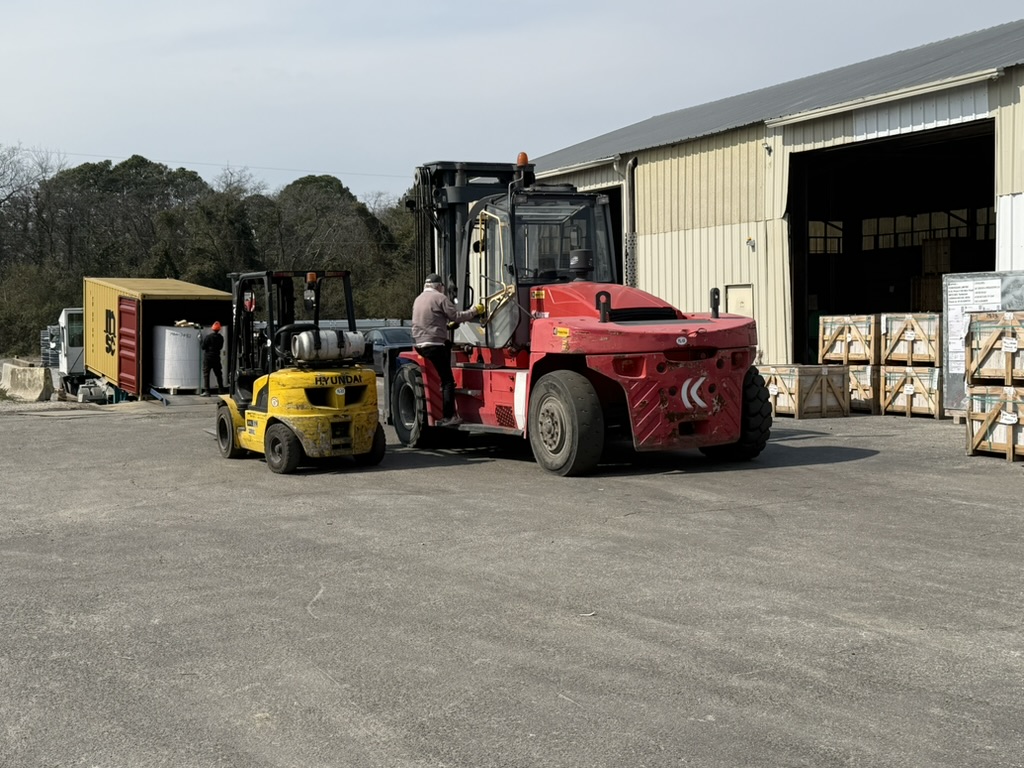
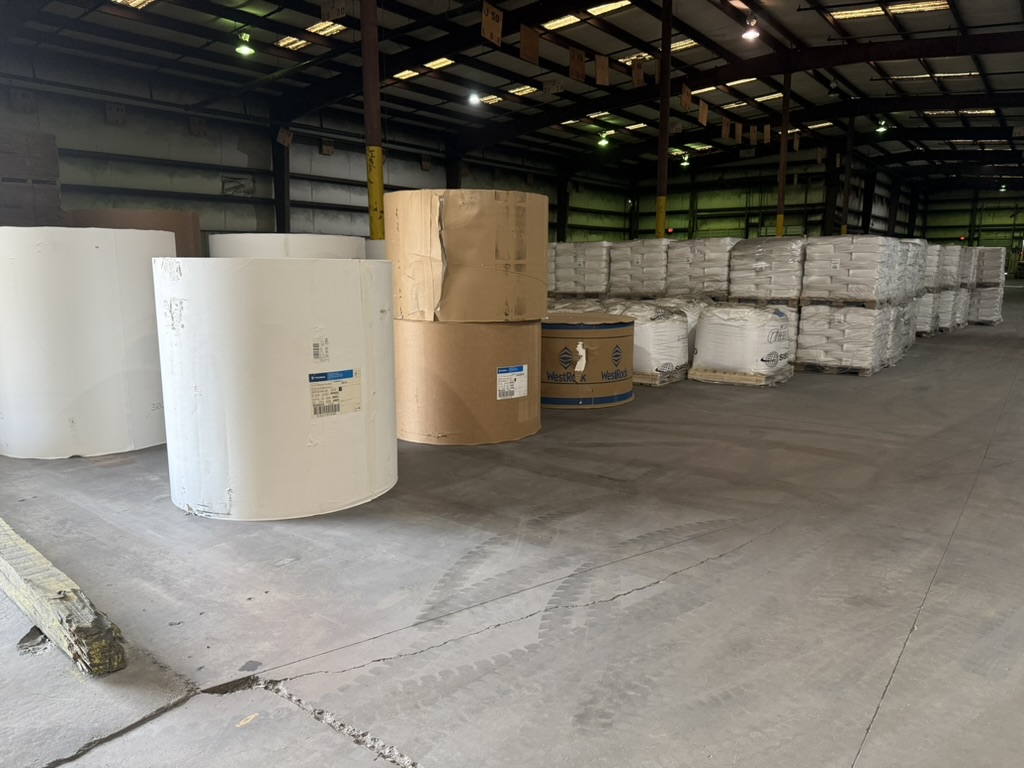
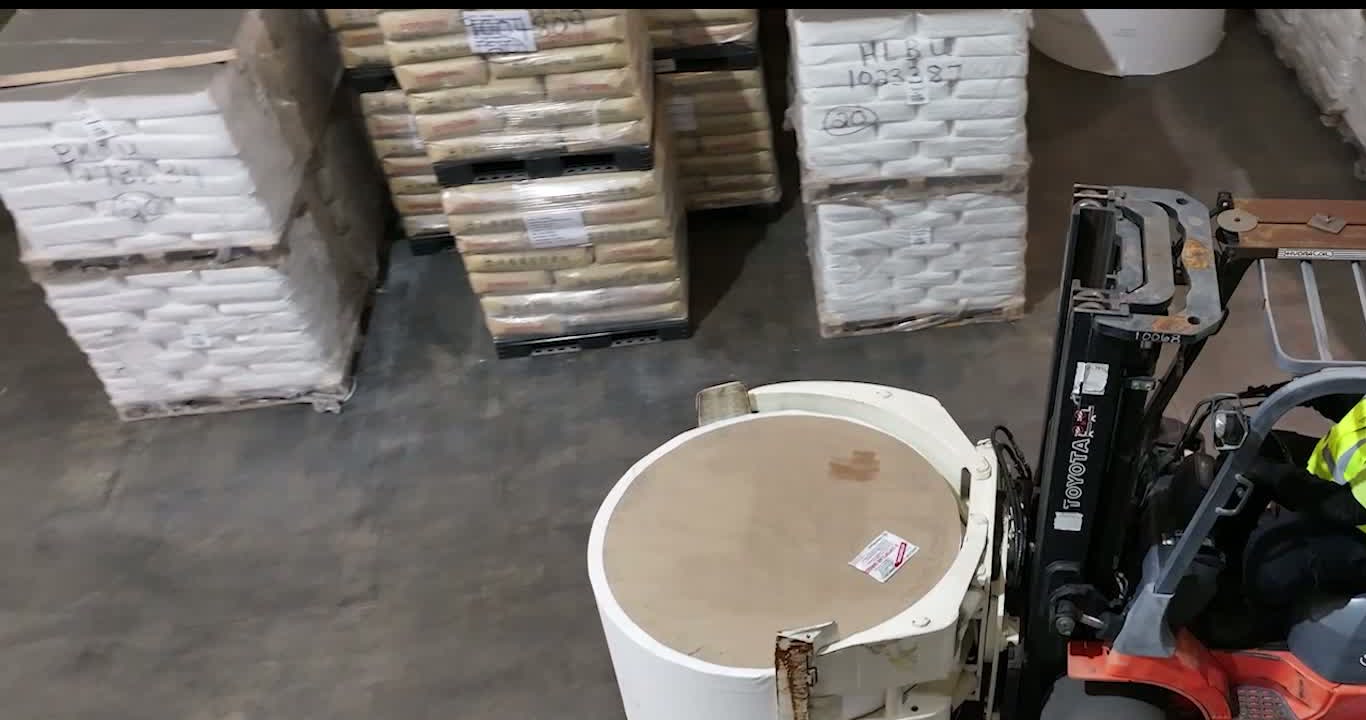
Inside Carroll’s transload operation.
Six ways we move your product.
Ocean Container to Trailer
Three 40′ ocean containers into two 53′ domestic trailers, recovering per-diem and freeing up steamship equipment.
Trailer to Trailer
Freight moved directly from one truck to another to consolidate, split or re-route loads without a warehouse stay.
Floor-Loaded & Palletized
Floor-loaded cartons and palletized freight unloaded, sorted and reloaded by trained crews.
Bulk & Dry Bulk
Coal, farm feed, food-grade product, fuel, lumber, minerals, plastics: commodities that don’t ship well palletized.
Flatrack & Out-of-Gauge
Flatrack, project cargo and heavy-lift freight handled with forklift capacity up to 36,000 lbs.
Hazmat Handling
Hazardous materials transloaded by TWIC- and hazmat-certified crews.
Why shippers transload.
Better economics. Three 40′ ocean containers ride in two 53′ trailers, so you pay for fewer inland moves.
Faster container turns. Recover per-diem, free up steamship equipment, and strengthen your ocean rate leverage.
Product keeps moving. One consolidated shipment, one invoice, less time accruing storage fees.
Commodities across every sector.
- Building Materials
- Food & Beverage
- Hazardous Materials
- Bulk & Dry Bulk
- Oversized Freight
- Vehicles & Equipment
Plus general freight, retail goods, and specialty cargo on request.
Transloading, answered.
What Does a Transloader Do?
The growth in e-Commerce sales has increased the need for fast and efficient shipping. The demand has grown further by retailers offering various options for fast delivery, like overnight and same-day shipping. When an order is placed, whether by a retailer or a consumer, it could take more than one delivery method. The logistics of figuring out the best shipping methods fall on the 3PL. The goods usually come from a place like a factory or a warehouse. Logistic factors to consider include things like: Cost Delivery schedule Route congestion Slowdowns Tariffs and taxes Available ports In some instances, you must calculate the good value depreciation of the merchandise. Once logistics have been formulated and the goods are ready to get shipped, the transloading process can begin. If these factors don’t add up to the number of shipping methods you need, you’ll need a transloader. They specialize in managing the mix of new-age tech and old-age logistics infrastructure. The demand for transloaders continues to grow. Using multiple shipping methods, they must keep up with the demand to get goods from place to place faster.
What is an Example of Transloading?
Transloading means moving cargo from one piece of equipment or mode of transportation to another. A few common examples at Carroll:
- Ocean container to domestic trailer: three 40′ containers discharged at the Port of Virginia are drayed to our Norfolk facility and reloaded into two 53′ trailers for the inland leg.
- Trailer to trailer: freight is moved from one truck to another to consolidate partial loads, split a load for multiple destinations, or change equipment.
- Floor-loaded to palletized: floor-loaded cartons are unloaded, palletized and reloaded for faster handling at the consignee.
Today, Carroll handles truck-to-truck transloading only. We do not currently offer rail, barge, refrigerated or roll-on/roll-off transloading.
What are Transloading Services?
Transloading services cover the handling that happens between inbound and outbound equipment. At Carroll, all transloading is truck-to-truck, performed at our facility at the Port of Virginia in Norfolk. Our current services include:
- Ocean container to trailer: 20′, 40′, 40′ HC and 45′ HC containers unloaded and reloaded into 53′ domestic trailers, including three-into-two consolidation.
- Trailer to trailer: consolidating, splitting or re-routing loads between trucks.
- Floor-loaded and palletized freight: unloading, sorting, palletizing and reloading.
- Bulk and dry bulk: commodities that don’t ship well palletized.
- Flatrack, out-of-gauge and heavy lift: project cargo handled with forklift capacity up to 36,000 lbs.
- Hazmat: handled by TWIC- and hazmat-certified crews.
Carroll does not currently offer rail, barge, refrigerated or roll-on/roll-off transloading. Not sure whether your freight fits? Request a quote and our team will tell you within one business hour.
What is the Difference between Transloading and Intermodal Transport?
Transloading and intermodal transport are two different types of logistics. They cover different parts of how cargo is moved and handled. Transloading is when cargo is moved from one type of transport to another. Intermodal shipping involves using multiple modes of transport to move cargo over long distances. In transloading, the cargo is usually loaded onto a container when it arrives at its destination. The container acts as an “intermodal” unit so that it can be moved between different modes without extra handling. With intermodal transport, the container transports the cargo using a mix of different modes until it reaches its destination.
What’s the Difference between Transloading & Cross-docking?
A lot of ocean containers are loaded straight onto the floor without going on pallets. In these cases, the cargo is put on a flatbed truck at the transloading facility. Transloading can involve multiple modes of transport used during cross-docking . Typically, a truck will show up at the distribution center and unload the cargo. The unloaded cargo is then transferred to another outbound truck, which may have loads going to one retailer. With cross-docking, it’s more likely that a palletized part of the cargo will be put right onto a truck. Or you could also be split up and redistributed between multiple outbound trucks. Another option is for it to be placed inside the center to wait for the truck to arrive. Transloading, on the other hand, is more about moving the cargo from start to finish. It doesn’t mean it can never be stored; instead, the goal is to get it to its final destination. The Difference The difference between transloading and cross-docking is that transloading takes place outdoors. It exposes trucks and their loads to inclement weather and other elements. Cross-docking, on the other hand, takes place inside a distribution center. Items are shielded from the elements while transporting cargo between vehicles. However, they have the same exposure to weather conditions when they go in and out of the warehouse. Cross-docking is a good option, but it’s essential to consider the differences between the two and decide which is suitable for your company. It’s best to base your decision on your specific needs or availability at the time. Carefully review the cross-dock agreement. You can take the product from the port, unload it, and store it for a short time, but it will come with a daily fee. Afterward, it’s loaded onto trucks or other vehicles when you’ve arranged a delivery spot.
What Type of Materials Can be Transported by Way of Transloading?
When you hear the term transloading connected to rail cars, semi-trailers, or maybe a cargo vessel, it’s easy to think of large industrial products. Instead, transloading should be seen simply as the process of moving a shipment from one transport type to the other. No matter what consumers purchase, there must be transport modes to get the product to its final destination. If you don’t believe it, let’s look at the types of material or products that rely on transload services. Auto Parts Beverages Building Materials Clothing Construction Equipment Electronics Exercise Equipment Food Furniture Grains Hazardous Materials Household Goods Liquids Medical Supplies Oversized Items Recyclables Vehicles What you’re shipping is essential. How it’s shipped, and the efficiency in doing so is the main objective of transloading services.
How is Transloading Different From Other Shipping Methods?
The transloading process facilitates the transportation of goods. It can be an effective method of transporting bulk goods when different transportation methods are necessary. The transloading process typically consists of the following steps: Unloading the goods from the truck or other modes of transportation and checking for damage is the first step. The goods are sorted and organized according to destination, size, and weight. Sorting and ordering ensure the goods are properly loaded onto the next vehicle. The process increases the likelihood of the goods reaching their final destination in an efficient manner. Once the goods are sorted and ordered, they are placed onto the vehicle of the next mode of transport. This process involves using cranes or other equipment to transport the goods. Next, the goods are loaded onto the next carrier and shipped to the final destination. The transportation of the products includes shipping by rail, road, or ship, depending on which mode is most efficient and economical for each shipment stage. After the goods arrive at the final destination, they are unloaded and ready for delivery to the final customer or further processing. The most significant difference in the process is the use of transload logistics. Most other shipping methods don’t provide the customization found with transloading.
How Does Transloading Benefit the Supply Chain?
One of the biggest benefits of transloading is flexibility. Moving freight from ocean containers into domestic trailers, or from one truck to another, lets you adjust loads, destinations and timing without waiting on the original equipment.
Lower costs. Three 40′ ocean containers fit into two 53′ domestic trailers, so you pay for fewer inland moves. Returning the ocean containers quickly also cuts per-diem and demurrage charges.
Faster container turns. Unloading at our Norfolk facility, minutes from the Port of Virginia terminals, frees steamship equipment sooner and keeps your freight moving.
More routing options. Splitting or consolidating loads between trucks lets one inbound shipment serve several destinations, or several partial loads ride together as one.
One accountable partner. Carroll owns the warehouse, equipment and trucks, so one team handles your freight from container release to final delivery.
What is a Transloading Facility?
A transloading facility is a warehouse that helps move goods from one type of transportation to another. It’s designed to speed up the process by cutting down on time, work, and money. Another way of looking at it is as a bridge between different modes of transport. Customers can quickly and easily move their goods between roads, planes, trains, boats, and the ocean. Plus, most transloading facilities offer other services like inventory tracking, extra storage, reworking loads, and even cross-docking.
What Is the Logistics of Transloading?
Transloading is an integral part of modern logistics operations, as it helps keep deliveries on time and reduces transportation costs. Unfortunately, it can be complicated to manage. That’s why logistics operators rely on transloading to ensure they meet their delivery deadlines. Logistics is super important for businesses worldwide, and when it’s done right, it usually leads to great results. Logistics also helps connect suppliers, shipping companies, and warehousing companies through automated systems.
How are Prices Usually Calculated for Transloading?
Numerous things can affect the price of a shipment. An essential list includes the following: Distance between stops Capacity limits How many truck drivers are available Warehouse location Weather The transloading service will look at three main things that affect your price. These are the shipping details, availability, and market changes. The most crucial factor is how much stress your shipment has on the network.
What are the Barriers to Entry?
Barriers to entry are things that can stop or slow down new people from entering a market or industry. In turn, it can limit competition. These barriers can include high startup costs, regulatory barriers, or other things that make it hard for new people to get into a business.
Why Doesn’t Every Trucking Company Do Transloading?
There is no doubt that transloading is a big part of the transportation industry. However, not all businesses have a big enough need to support the cost of the services. Transloading adds a layer of supply chain management, and it can take about 24 hours or less to get your shipment out. Not all items can be shipped with the transloading process since the domestic container capacity isn’t being used. Therefore, moving a whole pallet inside a big container is not cost-effective. Another huge downside is theft. Shipments are more likely to be stolen or damaged in storage facilities. Companies shipping expensive items look for other cross-country transport methods that are more secure.
Ready to put Carroll’s transloading to work?
Tell us about your shipment. Our team will respond within one business hour with capacity, routing, and pricing.